

Program 05
Pain Treatment
We look at pain and sleep together
A cancer rehabilitation Korean medicine hospital inside Daeunsan Natural Recreation Forest in Yangsan, Gyeongsangnam-do. We do not replace surgery, chemotherapy or radiation therapy; we help manage strength, meals and pain during treatment.
Pain Treatment
We discuss managing both pain arising during cancer treatment and long-standing pain.
During cancer treatment, pain at the surgical site, nerve symptoms after chemotherapy and muscle pain from long periods lying down can overlap. When pain is not controlled, you cannot sleep, and without sleep your strength drops further.
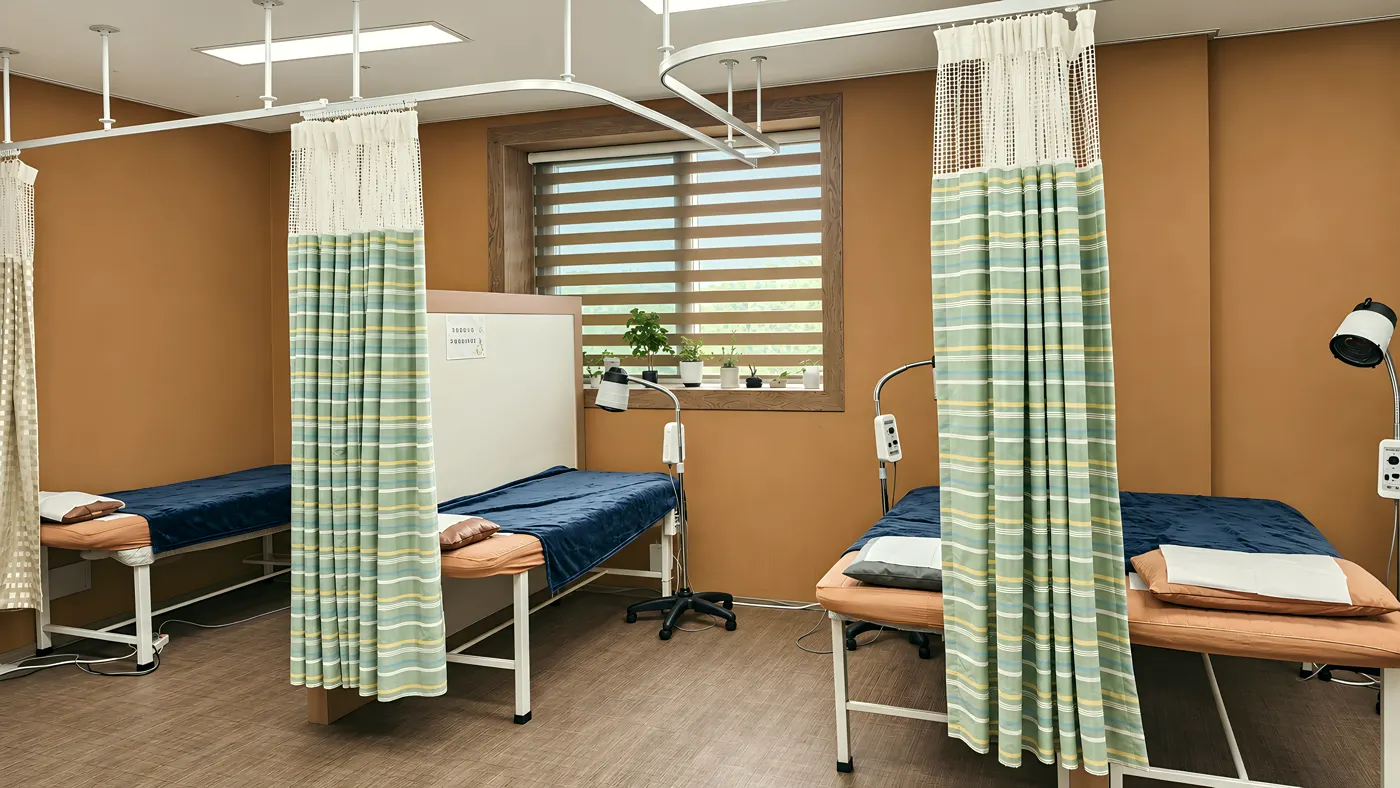
Pain care at Doldam Korean Medicine Hospital is centred on the Pain Controller, a non-invasive treatment that delivers electrical stimulation through electrodes placed on the skin; when needed, it is combined with one-on-one personalized therapy by a specialist therapist. Whether and how it is applied is decided after your appointment.
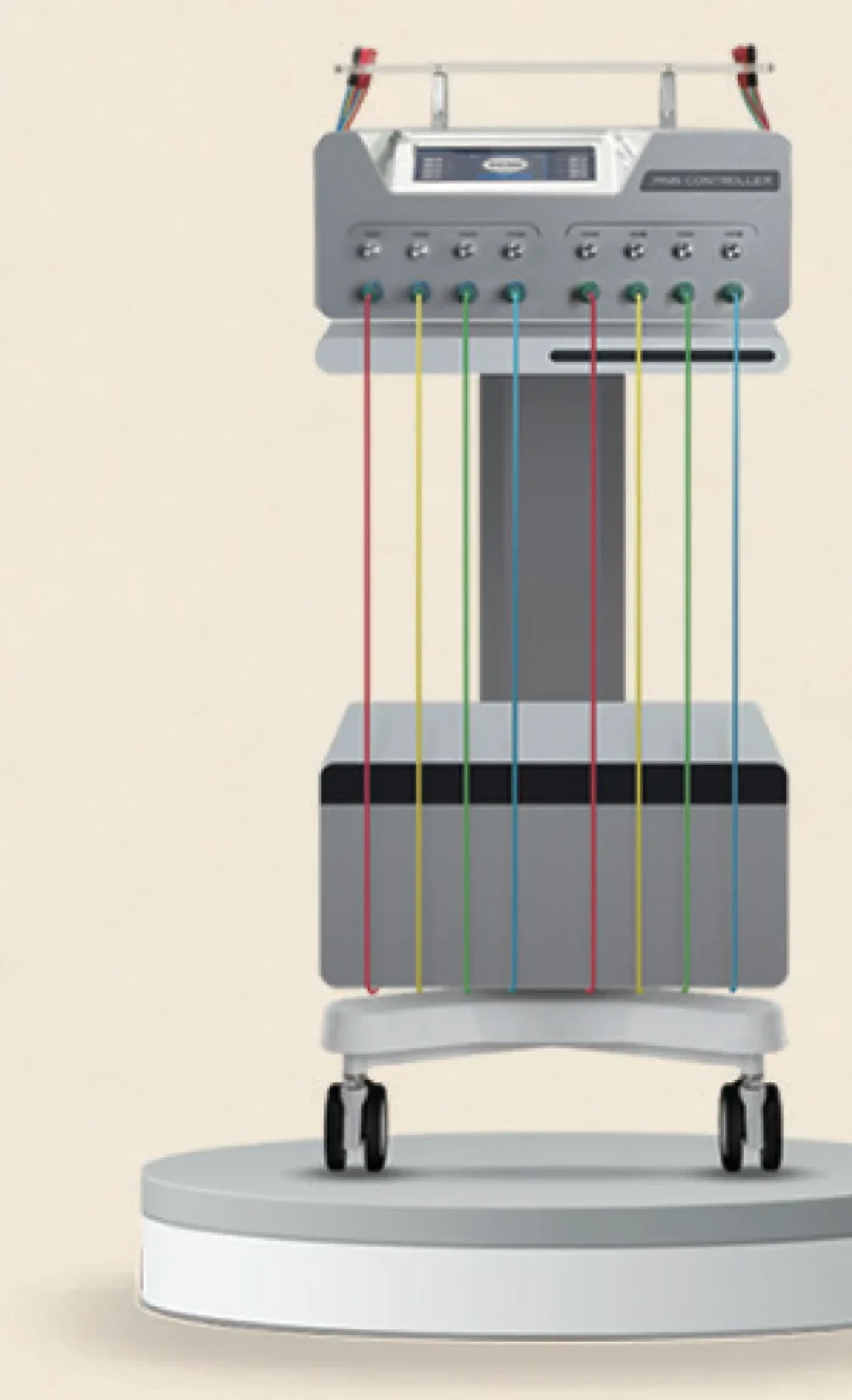
Pain Controller
Transcutaneous (through the skin) electrical stimulation device for pain relief
A device used for ‘non-invasive pain-free signal therapy’. Small electrodes are placed on the skin around the painful area, and it is designed to send “non-pain” signals to the nerves.
How the Pain Controller works
Instead of pain signals, it sends a ‘this is not pain’ signal to the nerves.
- STEP 01
Placing the electrodes
Small electrodes are placed on the skin around the painful area. There are no injections or incisions.
- STEP 02
Sending pain-free signals
‘Non-pain’ signals made by the device are delivered to the nerves through the electrodes.
- STEP 03
Adjusting the intensity
During treatment, the medical staff adjust the intensity while asking how it feels.
You can consult us about these kinds of pain
Whether it applies and how many sessions are needed are decided after your appointment.
Cancer pain
Pain caused by cancer or cancer treatment
Post-surgical pain
When the surgical area stays painful for a long time
Neuropathic pain
Numbness or burning in the hands and feet after chemotherapy, etc.
Post-herpetic neuralgia
Pain that remains after shingles has healed
Lower back and sciatic pain
Pain spreading from the lower back to the hips and legs
Long-standing chronic pain
Pain that has not been well controlled by usual treatment
One-on-one tailored therapy by a specialist therapist
We combine the items below depending on your condition.
Pain relief
We check the location and nature of the pain and choose a suitable method.
Lymphedema care
We manage swelling that develops after lymph nodes are removed in surgery.
Myofascial release (a treatment that loosens the tissue surrounding the muscles)
We loosen muscles and fascia that have stiffened from long periods lying down.
Rehabilitation exercise therapy
We exercise step by step so that your strength and movement return.
Please note
Pain can have many causes. New pain or pain that suddenly gets worse should first be reported to the hospital where you are being treated. Care at Doldam Korean Medicine Hospital does not replace standard treatment.
Consultation
Whether it can go along with your current treatment —
ask us by phone first
Admission consultations are handled on a dedicated number. If you have medical records or a list of the medications you take, please mention them as well.