

Program 04
High-frequency hyperthermia
ATAR-300 · Two units
A cancer rehabilitation Korean medicine hospital inside Daeunsan Natural Recreation Forest in Yangsan, Gyeongsangnam-do. We do not replace surgery, chemotherapy or radiation therapy; we help manage strength, meals and pain during treatment.
High-frequency hyperthermia
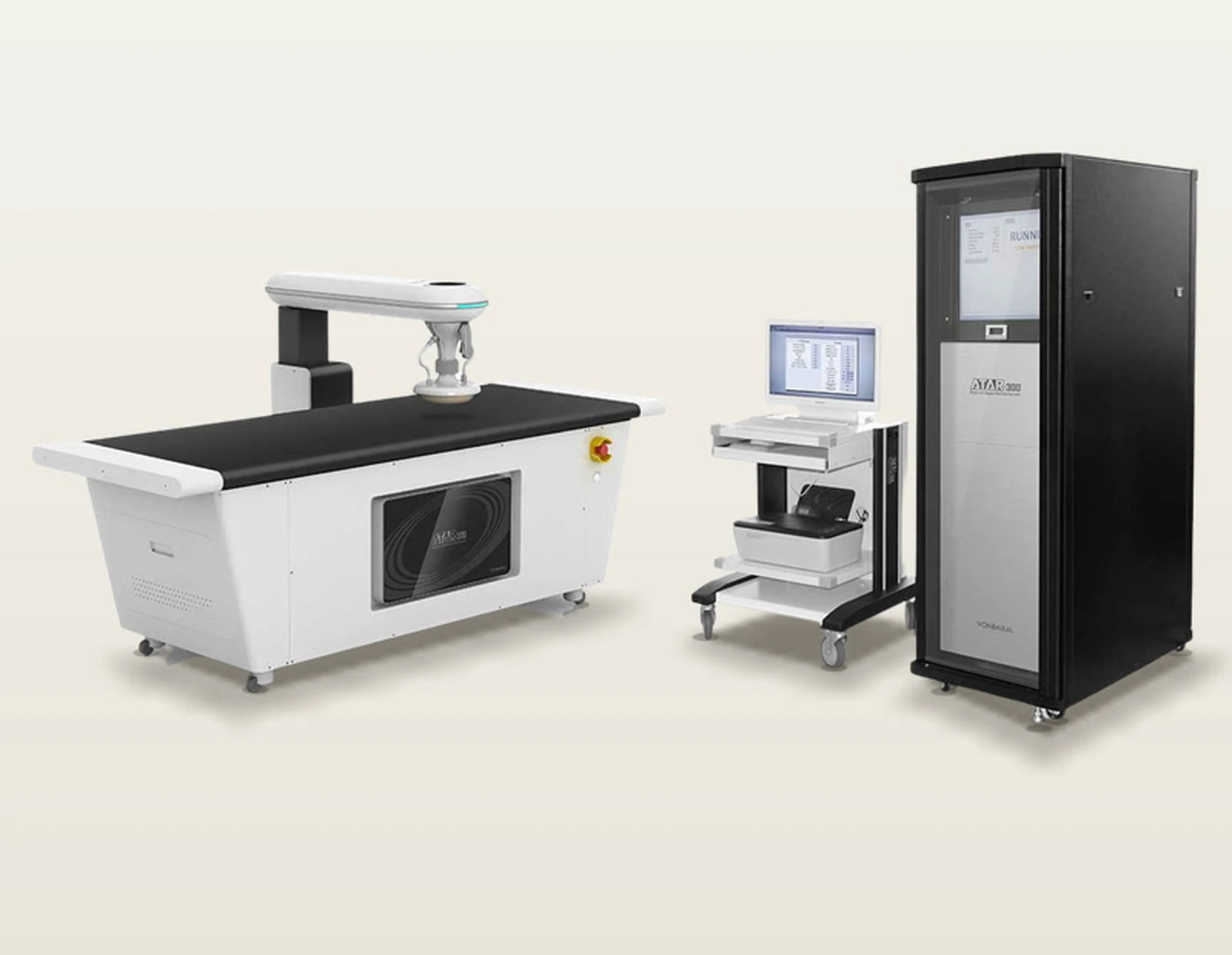
A treatment that warms specific areas of the body using high-frequency energy. Doldam Korean Medicine Hospital has two ATAR-300 high-frequency hyperthermia devices.
ATAR-300
High-frequency hyperthermia device · two units in operation
A device that warms specific areas of the body using electromagnetic energy in the 13.56MHz band. Treatment is received lying on the treatment bed.

Daeunsan Forest
Daeunsan Natural Recreation Forest seen from the hospital
What is high-frequency hyperthermia?
It is a method of warming specific areas of the body with high-frequency energy. It does not replace standard treatment such as surgery, chemotherapy or radiotherapy; it is added as a complementary treatment.
Why we use the ATAR-300
It is a hyperthermia device made to deliver electromagnetic energy in the 13.56MHz band deep into the body. Doldam Korean Medicine Hospital operates two units of the same device.
Non-covered services
Indications (conditions in which this treatment can be given) and the number of sessions vary with each patient's condition and are decided after your appointment.
Features of the ATAR-300
Doldam Korean Medicine Hospital operates two units of the same device.
Reaches deep areas
It is designed to carry high-frequency energy on a low-frequency wave (amplitude modulation) so that it reaches deep into the body.
Designed to reduce absorption by fat
It is built to reduce the energy absorbed by the fat layer under the skin.
Designed to reduce temperature differences
It is built to reduce the temperature difference between the skin surface and deeper areas.
Electrodes matched to the treatment area
The electrode structure is designed to concentrate energy on the area being treated.
How treatment proceeds
- STEP 01
Consultation
We check your current treatment stage and test results, and whether any item under ‘What we check before treatment’ below applies to you.
- STEP 02
Treatment plan
We decide the treatment area and number of sessions. If you have chemotherapy or radiotherapy scheduled, we plan around it.
- STEP 03
Hyperthermia session
You receive treatment lying down. If it feels too hot or uncomfortable, tell us right away.
- STEP 04
Follow-up
We watch your condition during treatment and adjust the plan. It is offered together with hyperbaric oxygen therapy.
What we check before treatment
If any of the following applies to you, treatment may be difficult or require caution. Please be sure to tell us at your appointment.
If you are pregnant
Please tell us if you are pregnant or may be pregnant.
If you have an electronic device in your body
Pacemaker, deep brain stimulator, etc.
If you have metal in your body
Artificial joints, metal pins, etc.
If you have breast implants
Breast implants, fat grafting or reconstruction, etc.
If you are bleeding
If you are bleeding or at risk of bleeding, we consult first.
If a surgical wound has not healed
Usually within 2–3 weeks after surgery
Consultation is required
It is not suitable for everyone. Whether it applies depends on the treatment you are currently receiving and your condition, so please call +82 55-785-5117 and we will guide you. Care at Doldam Korean Medicine Hospital does not replace standard treatment.
Frequently asked questions
Can I receive it together with chemotherapy or radiotherapy?
High-frequency hyperthermia is used as a supportive treatment alongside chemotherapy and radiotherapy. After checking your treatment schedule and condition, we decide whether to combine it and how many sessions to give.
Who receives it?
We consult with many kinds of patients, such as those undergoing chemotherapy or radiotherapy, those before or after surgery, and those who need care after finishing standard treatment. It is not suitable for everyone; whether it applies is decided after your appointment.
Are there cases where it should not be given?
Treatment may be difficult or require caution if you are pregnant, have an electronic device such as a pacemaker or metal such as an artificial joint or metal pin in your body, have breast implants, are bleeding, or have a surgical wound that has not yet healed (usually within 2–3 weeks after surgery). Please be sure to tell us at your appointment.
Consultation
Whether it can go along with your current treatment —
ask us by phone first
Admission consultations are handled on a dedicated number. If you have medical records or a list of the medications you take, please mention them as well.